
Integrating Telematics in Your Fleet of Trucks to Lower Insurance Costs sets the stage for this enthralling narrative, offering readers a glimpse into a story that is rich in detail with casual formal language style and brimming with originality from the outset.
Telematics is a powerful tool that can revolutionize fleet management, enhancing safety, efficiency, and ultimately reducing insurance costs. This article will delve into the intricacies of integrating telematics systems in truck fleets to achieve significant savings and operational improvements.
Overview of Telematics Integration
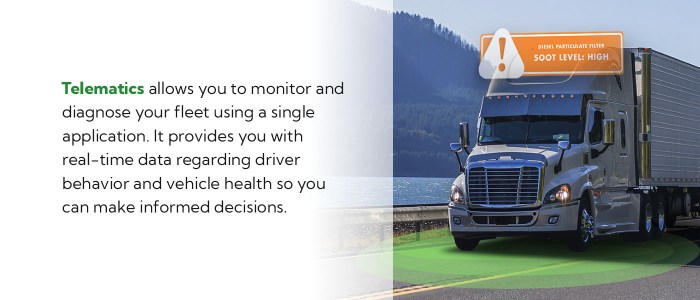
Telematics is a technology that combines telecommunications and informatics to monitor and track vehicles. In fleet management, telematics plays a crucial role in providing real-time data about the vehicles’ location, performance, and driver behavior.
Improved Safety and Efficiency
Telematics systems help fleet managers optimize routes, monitor driver behavior, and ensure timely maintenance of vehicles. By having access to detailed data on driving patterns, speed, and harsh braking, fleet managers can identify areas for improvement and implement safety measures effectively. This leads to a reduction in accidents, lower downtime, and improved overall efficiency of the truck fleet.
Reduced Insurance Costs
Integrating telematics systems in a fleet of trucks can significantly lower insurance costs. Insurance providers often offer discounts to companies that utilize telematics technology due to the improved safety measures and risk management it provides. By monitoring driver behavior and vehicle performance, fleet managers can demonstrate a commitment to safety, which can result in reduced insurance premiums. Additionally, in the event of an accident, telematics data can help determine the cause and liability, potentially reducing claim costs.
Choosing the Right Telematics Solution
When selecting a telematics system for your fleet vehicles, it is crucial to consider key features that can positively impact your operations and insurance costs.
Key Features to Look For:
- Real-time GPS tracking to monitor vehicle location and optimize routes for efficiency.
- Driver behavior monitoring to promote safe driving practices and reduce the risk of accidents.
- Maintenance tracking to schedule timely service and prevent breakdowns that could lead to insurance claims.
- Integration capabilities with existing fleet management systems for seamless data sharing.
Comparing Telematics Providers:
Before making a decision, it is essential to research and compare different telematics providers and their offerings. Look for providers that not only meet your current needs but also have the flexibility to scale with your business as it grows. Consider factors such as pricing, customer support, and user-friendly interfaces when evaluating providers.
Impact on Insurance Premiums:
Implementing the right telematics solution can have a significant impact on your insurance premiums. By improving driver behavior, reducing the risk of accidents, and ensuring timely maintenance, you can demonstrate to insurance providers that your fleet is a lower risk. This can lead to potential discounts and lower premiums, ultimately saving your business money in the long run.
Implementing Telematics in Your Fleet
Implementing telematics in your fleet involves a series of steps to ensure successful integration, proper training of drivers, and leveraging real-time data to lower insurance costs.
Installing Telematics Devices in Trucks
When installing telematics devices in trucks, it is essential to follow these steps:
- Choose the right telematics solution provider based on your fleet’s specific needs.
- Ensure proper placement of the devices within the trucks for optimal functionality.
- Securely install the devices to prevent tampering or damage during operation.
- Test the devices to guarantee accurate data collection and transmission.
Training Drivers on Using Telematics Systems
Training your drivers on using telematics systems is crucial for maximizing the benefits of the technology. Here are some best practices:
- Provide comprehensive training sessions on how to operate the telematics devices and interpret the data.
- Emphasize the importance of data accuracy and how it can positively impact their driving habits.
- Offer ongoing support and refresher courses to ensure drivers are utilizing the telematics system effectively.
Utilizing Real-Time Data to Lower Insurance Costs
Real-time data from telematics can be a valuable tool in lowering insurance costs for your fleet. Here’s how:
- Monitor driver behavior in real-time to identify risky driving patterns and address them proactively.
- Utilize data on vehicle maintenance and performance to prevent breakdowns and accidents, ultimately reducing insurance claims.
- Negotiate lower insurance premiums with insurers by demonstrating improved safety measures and risk mitigation through telematics data.
Utilizing Telematics Data for Insurance Savings
Telematics data collected from your fleet of trucks can play a crucial role in helping you lower insurance costs by tracking driver behavior and performance.
Tracking Driver Behavior with Telematics Data
Telematics systems can monitor various aspects of driver behavior such as speeding, harsh braking, sharp turns, idling time, and overall driving habits. By analyzing this data, fleet managers can identify areas where drivers may need improvement to reduce risk factors.
Correlation Between Driver Performance Data and Insurance Premiums
Insurance companies often take into account driver behavior when determining insurance premiums. By utilizing telematics data to demonstrate safe driving practices within your fleet, you can negotiate lower insurance rates based on the reduced risk of accidents and claims.
Cost Savings through Adjusting Driver Behavior
For example, if telematics data reveals that certain drivers have a tendency to speed or brake harshly, fleet managers can provide targeted training to improve their driving habits. By incentivizing safe driving practices and reducing risky behaviors, you can potentially decrease the number of accidents and insurance claims, ultimately leading to cost savings for your fleet.
Ultimate Conclusion
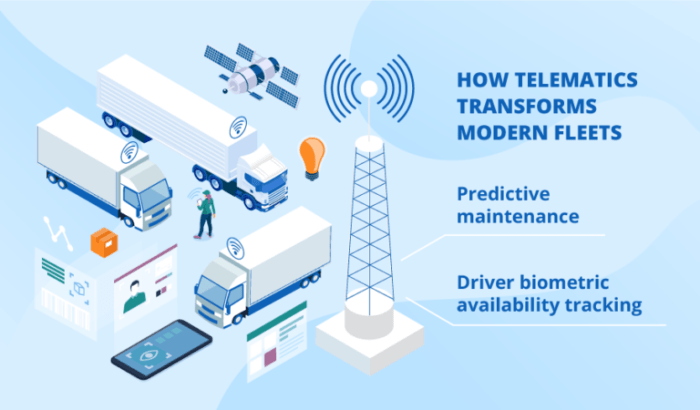
In conclusion, Integrating Telematics in Your Fleet of Trucks to Lower Insurance Costs is a strategic move that not only enhances safety and efficiency but also leads to substantial savings on insurance premiums. By leveraging real-time data and optimizing driver behavior, businesses can unlock a new realm of possibilities in fleet management.
Popular Questions
What key role does telematics play in fleet management?
Telematics helps monitor vehicle location, performance, and driver behavior, leading to improved safety and efficiency in truck fleets.
How can telematics data be utilized to lower insurance costs?
By analyzing real-time data on driver behavior, businesses can identify areas for improvement, adjust driver practices, and ultimately reduce insurance premiums.
What are some best practices for training drivers on using telematics systems?
Training drivers on interpreting telematics data, setting performance benchmarks, and encouraging safe driving practices can maximize the benefits of telematics integration.