
Delving into Boating Safety Gear: Meeting Requirements for GEICO Marine Compliance, this introduction immerses readers in a unique and compelling narrative, with casual formal language style that is both engaging and thought-provoking from the very first sentence.
Boating safety gear is essential for compliance with GEICO Marine requirements, ensuring a safe and enjoyable boating experience. This guide will explore the key safety gear items needed, tips for choosing the right gear, and the importance of maintenance and compliance.
Importance of Boating Safety Gear
Boating safety gear plays a crucial role in ensuring compliance with GEICO Marine requirements and, most importantly, in keeping boaters safe while out on the water.
Key Safety Gear Items
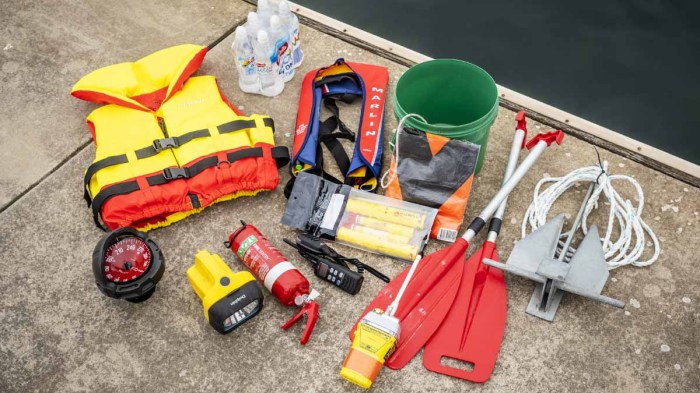
Having the right safety gear on board can make all the difference in case of emergencies or unexpected situations. Some of the essential safety gear items required for boating include:
- Life jackets for each passenger on board, ensuring proper fit and accessibility.
- Throwable flotation devices such as life rings or cushions for quick assistance in man overboard situations.
- Fire extinguishers to handle onboard fires and prevent disasters.
- Sound signaling devices like whistles or horns for communication and alerting nearby vessels.
- Navigation lights to ensure visibility in low-light conditions or at night.
Enhancing Overall Boating Experience
Aside from meeting regulations, having the right safety gear can enhance the overall boating experience by providing peace of mind and preparedness for any eventuality. By having safety gear readily available and in good condition, boaters can enjoy their time on the water knowing they are well-equipped to handle any challenges that may arise.
Essential Safety Gear for Boaters
Boating safety gear is crucial to ensure a safe and enjoyable experience on the water. GEICO Marine mandates specific safety gear items that every boater should have on board to comply with regulations and stay prepared for any emergency.
Life Jackets
Life jackets are a fundamental piece of safety gear that should be worn by all passengers on a boat. They come in different types, such as inflatable or foam, and it’s essential to choose one that fits properly and is approved by the U.S. Coast Guard.
Fire Extinguishers
Fire extinguishers are necessary to have on board in case of a fire emergency. Make sure to check the expiration date and ensure it is easily accessible in case of a fire outbreak.
Visual Distress Signals
Visual distress signals are crucial for signaling for help in case of an emergency. These can include flares, smoke signals, or signal mirrors. It’s important to have the required number and type of signals based on your boat size and type of waterway.
First Aid Kit
A first aid kit is essential to have on board to treat minor injuries or medical emergencies that may occur while boating. Make sure it is well-stocked with supplies and medications suitable for the duration of your trip.
Sound-Producing Devices
Sound-producing devices, such as whistles or horns, are necessary for attracting attention or signaling other vessels in case of danger or distress. Ensure these devices are in working condition and easily accessible when needed.
Maintenance and Inspection of Safety Gear
Regular maintenance and inspection of safety gear is crucial to ensure that it functions properly when needed. Failure to maintain safety gear can lead to equipment malfunction and compromise the safety of everyone on board. Here is a step-by-step guide on how to properly maintain and store safety gear:
Proper Maintenance and Storage
- After each use, rinse safety gear with fresh water to remove salt and debris that could cause damage over time.
- Inspect all safety gear for any signs of wear and tear, such as fraying straps or broken buckles.
- Follow manufacturer’s instructions for cleaning and maintenance of specific safety gear items, such as life jackets or flares.
- Store safety gear in a dry, well-ventilated area away from direct sunlight and extreme temperatures.
- Check expiration dates on items like flares and fire extinguishers and replace them as needed.
Common Issues and Solutions
- One common issue with safety gear is mildew or mold growth, which can compromise the integrity of the equipment. Use a mildew remover and ensure gear is completely dry before storage.
- If straps on life jackets become brittle or worn out, replace them immediately to ensure proper fit and functionality.
- For inflatable life jackets, check the CO2 cartridge regularly and replace it if damaged or expired.
- If any safety gear shows signs of damage, do not attempt to repair it yourself. Instead, seek professional assistance to ensure it is properly fixed.
Safety Gear Regulations and Compliance
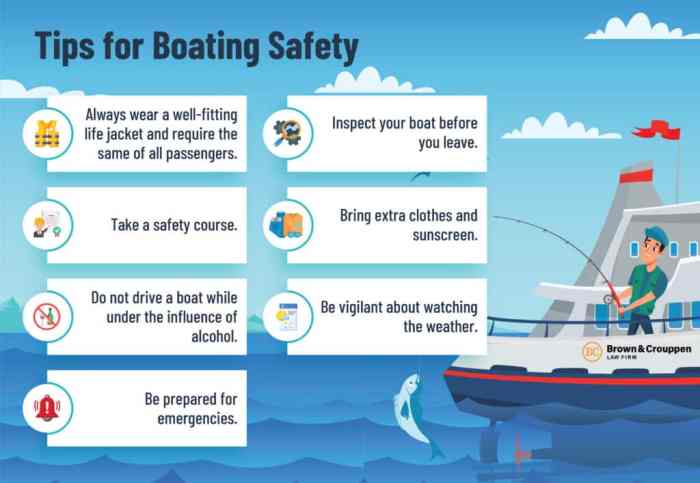
When it comes to boating safety, regulations regarding safety gear requirements are crucial to ensure the well-being of everyone on board. GEICO Marine has set specific regulations that boaters must adhere to in order to maintain compliance and safety standards.
Comparison of Safety Gear Regulations
Across different boating jurisdictions and organizations, safety gear regulations may vary slightly in terms of specific requirements. However, the overarching goal remains the same – to ensure the safety of boaters and passengers while out on the water. It is important for boaters to familiarize themselves with the regulations in their area and make sure they have the necessary safety gear on board at all times.
Consequences of Non-Compliance
Failure to comply with safety gear regulations can have serious consequences. Boaters who are found to be non-compliant may face fines, penalties, or even legal action. More importantly, non-compliance puts the safety and lives of everyone on board at risk. It is essential for boaters to prioritize safety and ensure that they are meeting all necessary requirements to stay safe while out on the water.
Emergency Preparedness and Safety Protocols
In boating, emergencies can happen unexpectedly, making it essential to have proper safety protocols in place.
Emergency Protocols with Safety Gear
- Life jackets should be readily accessible and worn at all times while on the water.
- Flares, whistles, and distress signals must be kept in an easily reachable location for quick deployment.
- Fire extinguishers should be regularly checked and maintained to ensure they are operational in case of a fire onboard.
- Emergency medical kits should be stocked with necessary supplies and stored in a waterproof container.
Importance of Training on Safety Gear Usage
- Proper training on safety gear usage ensures that boaters know how to use equipment effectively in emergency situations.
- Training helps individuals remain calm and act decisively when faced with emergencies on the water.
- Regular drills and practice sessions can enhance muscle memory and response times during crises.
Creating a Comprehensive Safety Plan
- Develop a detailed safety plan that includes emergency contacts, designated roles for each crew member, and evacuation procedures.
- Regularly review and update the safety plan to incorporate new safety gear or changes in the boating environment.
- Communicate the safety plan to all passengers before embarking on a boating trip to ensure everyone is aware of emergency protocols.
Final Thoughts
In conclusion, meeting the safety gear requirements for GEICO Marine compliance is crucial for safe boating practices. By understanding the regulations, maintaining gear properly, and being prepared for emergencies, boaters can enjoy their time on the water with peace of mind. Stay safe and happy boating!
FAQ Overview
What safety gear is mandatory for boaters?
Life jackets, fire extinguishers, sound signaling devices, and visual distress signals are some of the essential safety gear items required for boating.
How often should safety gear be inspected?
Safety gear should be inspected before every trip and regularly maintained to ensure it is in good working condition.
What are the consequences of not complying with safety gear regulations?
Failure to comply with safety gear regulations can result in fines, penalties, or even legal action, depending on the severity of the violation.